

The Nature of Luck in Gambling
Luck is often considered a whimsical force that can dramatically alter the course of a gambling session in an instant. In casinos, players frequently find themselves depending on this unpredictable element, attributing their fortunes to it. Essentially, luck embodies the interplay of random chance and timing, which can make or break a player’s experience, especially when they seek a casino fast withdrawal process. While skill and strategy have their place in the gambling arena, it is ultimately luck that shapes the outcome of most games within a casino setting.
The randomness inherent in games such as slot machines, roulette, and blackjack underscores the importance of luck. For instance, in a game of slots, each spin is independent of the last, meaning a player’s previous outcomes have no bearing on the next. This randomness fosters the notion that, regardless of how frequently one plays, there are no guarantees of success. Players often engage in rituals or superstitions, clinging to the hope that luck will favor them at the right moment. Such behaviors highlight the psychological reliance on luck that permeates the gambling experience.
Moreover, the psychology of luck can lead to a phenomenon known as ‘the gambler’s fallacy.’ This fallacy occurs when players mistakenly believe that past events will influence future outcomes, such as thinking that a number is ‘due’ to hit in roulette. However, each spin is a separate event, and outcomes remain predominantly based on chance. This blend of psychology and randomness makes luck a crucial component in gambling dynamics, rendering it a fascinating subject for analysis and discussion among enthusiasts.
Luck vs. Skill: The Ongoing Debate
The debate between luck and skill in gambling is an age-old discussion that continues to captivate enthusiasts. While certain games, such as poker, allow for strategic decision-making and skill enhancement, the role of luck is undeniable. Even the most skilled players can find themselves at the mercy of chance, which can shift the tide of a game in mere moments. This reality makes it clear that luck is not merely an afterthought; it is a fundamental part of the gaming experience that can determine the outcomes of various games.
In contrast, games that require less skill tend to rely almost entirely on luck. For example, in games like baccarat and dice, players have very little control over the outcome. The thrill of playing these games often stems from the suspense of waiting for luck to deliver a favorable result. Many who engage with these games embrace the idea that each round presents a fresh opportunity, driven by the hope that luck will shine upon them in that moment. This desire for fortune can create a magnetic draw toward such games, despite their low skill requirement.
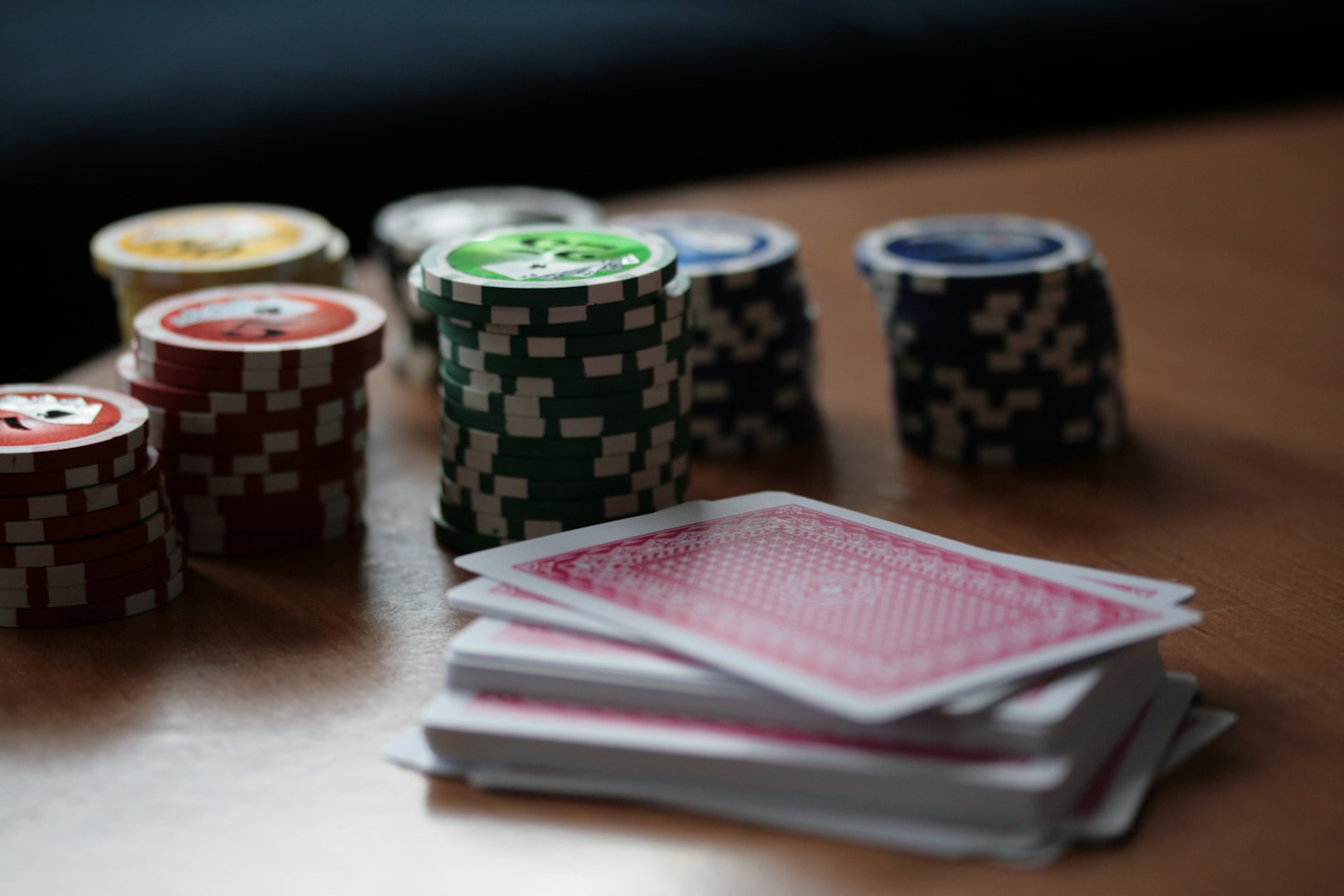
Moreover, the interplay between luck and skill can vary greatly depending on individual player experiences and preferences. A seasoned poker player may downplay the element of luck, attributing victories solely to their expertise and strategic play. Conversely, a novice may attribute losses to bad luck without fully grasping the nuances of strategic decision-making. This variance highlights the subjective nature of both luck and skill within different games, impacting how players approach their time in a casino and shaping their overall experiences.
The Emotional Rollercoaster of Luck
Engaging in casino games can evoke a wide range of emotions, frequently tied directly to the outcomes influenced by luck. The thrill of winning can inspire feelings of euphoria and excitement, while losing can lead to frustration and despair. This emotional rollercoaster is one of the reasons why players are drawn to gambling, as hope and excitement intertwine to create an exhilarating atmosphere. Luck plays a pivotal role in facilitating these emotions, as it can transform an average night into one filled with unforgettable highs and lows.
Additionally, the relationship between luck and emotion can lead to irrational behavior. After experiencing a string of losses, a player might chase their luck by increasing their bets, driven by the hope of a big win. This emotional decision-making often leads to further losses, underscoring how luck can significantly influence not only the outcomes but also a player’s mindset and behavior. The thrill of pursuing luck can often blind players to the realities of gambling, leading them to make decisions they might later regret, further complicating their relationship with chance.
In essence, the emotional impact of luck in a casino context extends beyond mere financial outcomes. The excitement of hitting a jackpot or the disappointment of an unexpected loss can linger with a player long after they leave the table. This rollercoaster of emotions showcases the powerful role luck plays in shaping not only the gaming experience but also the personal narratives players create surrounding their casino adventures, often reflecting on both their triumphs and tribulations with a sense of nostalgia.
The House Edge and the Role of Luck
While players often indulge in the thrill of chance, it is essential to recognize the influence of the house edge in casino games. The house edge refers to the built-in advantage that casinos possess over players, ensuring they maintain profitability over time. This mathematical concept, combined with the element of luck, creates a unique gaming environment. Players may experience short-term wins due to good fortune, but over the long haul, the house edge can significantly diminish their chances of success and profitability.
For example, in games such as roulette, the presence of the zero or double zero on the wheel gives the casino a statistical advantage. While players might enjoy a lucky streak that seems to defy the odds, the house edge ensures that, statistically, more losses will accumulate over time. Understanding the house edge is crucial for players, as it highlights the delicate balance between luck and probability, illustrating how luck might favor an individual in the short term, but the house’s advantage will ultimately prevail in the long run.
Moreover, recognizing the role of luck in relation to the house edge can empower players to strategize more effectively. By understanding the odds and how luck interacts with them, players can make informed choices about where and how to invest their time and money. While luck undoubtedly holds a significant sway in casino outcomes, a keen awareness of the mechanics behind games can help players navigate their experiences more wisely, potentially mitigating the impact of the house edge over time.
Exploring More About Casino Dynamics
For those interested in delving deeper into the world of casinos, understanding the intricate dynamics at play is essential. From the role of luck to the psychological factors influencing player behavior, a wealth of fascinating concepts awaits exploration. Engaging with reputable sources can provide valuable insights into the strategies, games, and overall gambling landscape. Whether you are a novice or a seasoned player, knowledge is a powerful ally when navigating the realm of chance, enhancing both enjoyment and understanding of the casino experience.
Additionally, many resources offer expert tips, strategies, and analyses on various casino games. These insights can significantly enhance your understanding of the balance between skill and luck, empowering you to make more informed decisions during your gaming sessions. The casino experience is much more than just a roll of the dice or the pull of a lever; it involves a rich tapestry of psychological, emotional, and strategic elements that influence outcomes and player experiences alike.
In this ever-evolving field, continuous learning stands as a key factor in enhancing one’s enjoyment of casino games. By staying informed and engaged, players can enrich their experiences, crafting personal narratives intertwined with luck, skill, and the thrill of the gamble. Embracing this multifaceted approach can lead to a more rewarding and insightful journey through the captivating world of casinos, where luck is not just a fleeting notion but an integral part of the gaming fabric.